140th anniversary blog series - Prosperous Places – exploring economic leadership and inclusive regeneration
We are celebrating ADEPT's 140th anniversary year by showcasing the voices of past and present ADEPT Presidents, reflecting on the evolution of place leadership and exploring the challenges, innovations and aspirations shaping the future of the sector.
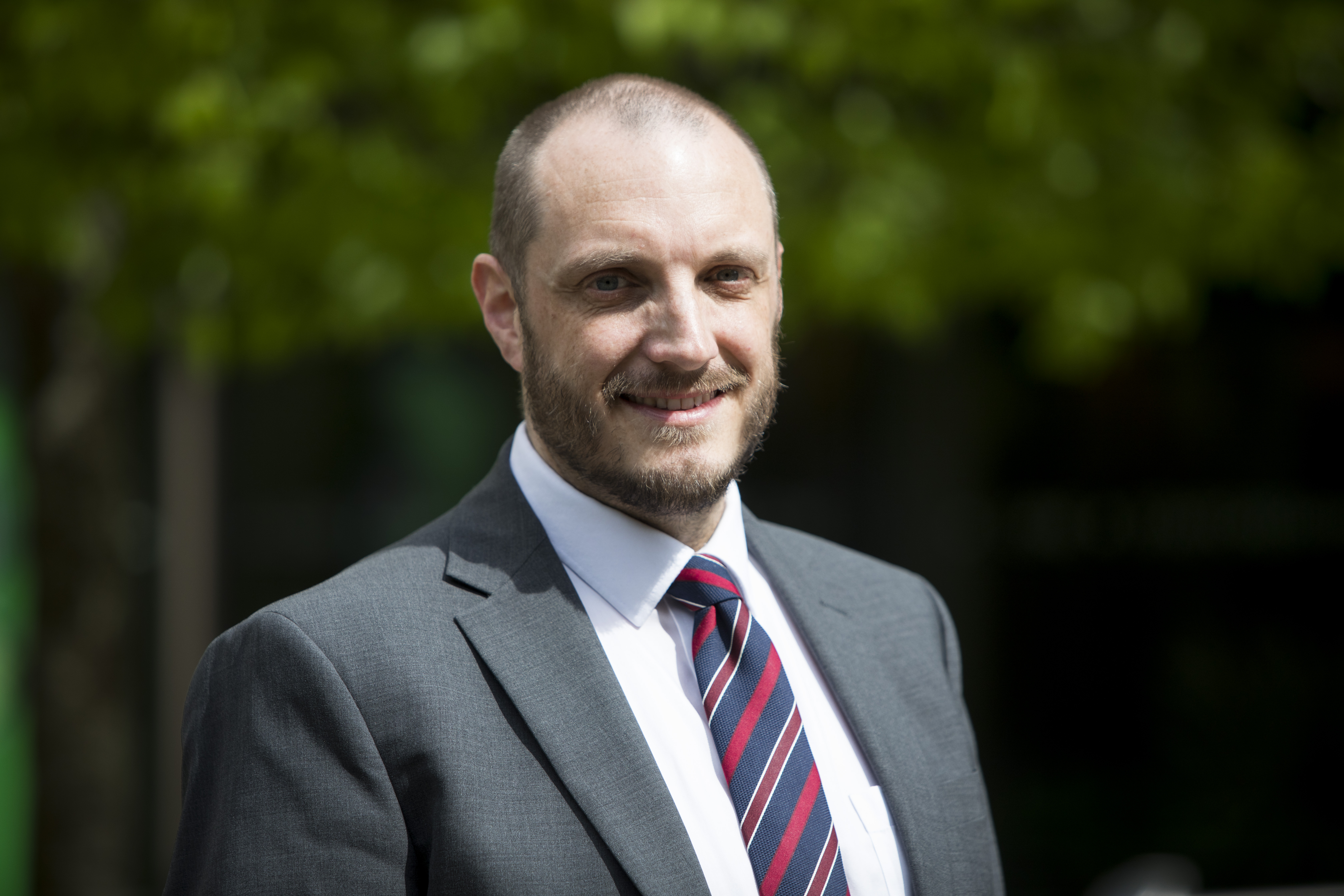
In his blog Darryl Eyers, Deputy Chief Executive and Director for Economy, Infrastructure & Skills, Staffordshire County Council and ADEPT President 2019–2020, explores the idea of prosperous places, economic leadership and inclusive regeneration.
When I look back on my career, I’ve always thought of ‘place’ as something tangible, the things people can touch and feel every day. From the roads we travel on and the parks we enjoy, to the employment sites, libraries and public spaces that knit communities together, these are the universal services that everyone accesses. In essence, they are the fabric of our daily lives.
As Director for Economy, Infrastructure & Skills at Staffordshire County Council and during my time as ADEPT President in 2019 and 2020, I’ve come to see that the role of local government in shaping these everyday experiences is both a privilege and a responsibility. ‘Place’ may not include every service a council delivers, but it influences how we live, work and connect with each other. How we succeed and thrive, for me it is where policy meets people.
Leadership, collaboration and community
One of the moments I’m most proud of during my time as ADEPT President was trying to bring together the different bodies that represent local government, ADEPT, ADCS, ADPH and the LGA, to speak with one voice to government. Too often, we were each arguing for our own slice of the pie, when in reality we should have been arguing for a bigger pie. Collaboration will always be how we deliver more for our communities.
That collaborative and creative approach has translated directly into my day job. A challenge from our new Director of Children’s Services led us to ask a simple but powerful question: are we, in the ‘place’ directorate, doing enough to support children in care? The honest answer was no. So, we challenged ourselves to think differently asking “what can we do, as a department, to improve opportunities for care leavers?”
The results have been wonderful to observe. From setting up business support programmes that encourage employers to offer apprenticeships to care leavers, to creating reuse hubs at our household waste recycling centres that give young people first choice of furniture and essentials when they move into their first homes. By thinking creatively and collaboratively, showing genuine inclusivity and demonstrating leadership ideals, we’ve made a huge impact at very little cost and made a real difference to people lives.
The constants in leadership
Good place leadership, in my view, transcends era and organisation, the fundamentals remain the same. Be an accessible, visible leader, empower your teams to innovate and work collectively to challenge systems that no longer serve communities well.
Leadership in place-based services is not about hierarchy, it’s about influence, collaboration and belief in the greater public good. When communities thrive, people are healthier, happier, safer and more successful. That, in turn, creates a more sustainable and affordable system for everyone. It’s an optimistic view, yes, but one that should underpin all we do in local government.
Economic resilience and regeneration
For me, economic resilience at a local level means creating an economy that can withstand shocks, whether that’s national policy change, recession or disruption to key services or sectors. It’s also about ensuring we’re not overly reliant on a single employer or industry.
I’ve seen the consequences when local economies depend too heavily on one sector from the collapse of coal mining in the 1980s to the impact of public sector cuts after the financial crisis. Resilience comes from diversity and a healthy mix of sectors, job types and skills which help communities to weather the challenges that inevitably arise.
One project that stands out for me and really embodies that principle is i54 South Staffordshire, a brownfield site transformed through partnerships that created a thriving employment park for advanced manufacturing.
With major employers like Jaguar Landrover and Moog, the site supports thousands of jobs across Staffordshire and the Black Country.
What made it succeed wasn’t just the investment it was the partnerships, the political will and the shared vision across councils and agencies, a belief in the potential of the final outcome. Regeneration takes time and conviction and holding firm to that long-term vision, especially through challenges and setbacks, is where true resilience lies in my opinion.
Inclusive growth
If we think of ‘place’ solely as infrastructure, I really think we miss the point. To ensure opportunities are available to all and that any growth benefits as many people as possible, we have to link investment in infrastructure with investment in people. Every regeneration or economic project should be accompanied by programmes that give local people the skills and support to access new opportunities.
At i54, for example, a dedicated skills programme helped our local residents prepare for the jobs that were being created, ensuring that growth didn’t bypass those who needed it most. True inclusivity comes when we design our places, projects and our partnerships around people as much as around new buildings or improved transport links.
The concept of ‘place’ is evolving. Digital connectivity has changed how communities form, evolve and interact physically and virtually. Yet I believe that our responsibility to each other remains largely the same, to ensure that the infrastructure and opportunities exist for all communities to thrive, however they’re connected.
Devolution and reform will continue to reshape how we work, redistributing the levers of influence and funding. In the future, local government and the next generation of place leaders will need to navigate this shifting landscape, broadening team skillsets to ensure economic leadership that taps every single possible resource.
A final reflection
For me, one of the most important aspects of ADEPT’s work is the value in bringing Place professionals together to share best practice and ideas. The opportunity to learn from each other and help drive agendas forward nationally cannot be underestimated. ADEPT also provides a unique space supporting future Place leaders through their development programmes, helping them to prepare for future challenges and allowing them the opportunity to benefit from the experiences of others.
As Place leaders, the decisions we make today will shape the choices available to those who come after us. Being a good ancestor means thinking long term about sustainability, inclusion, and opportunities that are accessible to everyone.
My advice to future place leaders is actually quite simple, be curious, collaborate and always remember that ‘place’ is about people. If we keep people at the heart of our decisions, we’ll build places and communities that endure.
Further information
- Read the full collection of essays
- Find out more about our 140th anniversary
- Watch our 140th anniversary celebration film and animated timeline
Author
Darryl Eyers is Deputy Chief Executive and Director for Economy, Infrastructure & Skills at Staffordshire County Council and was ADEPT President 2019–2020.